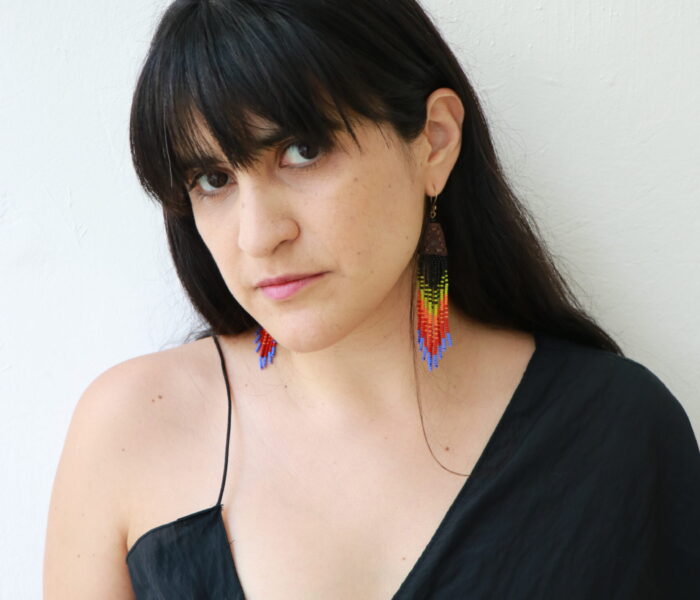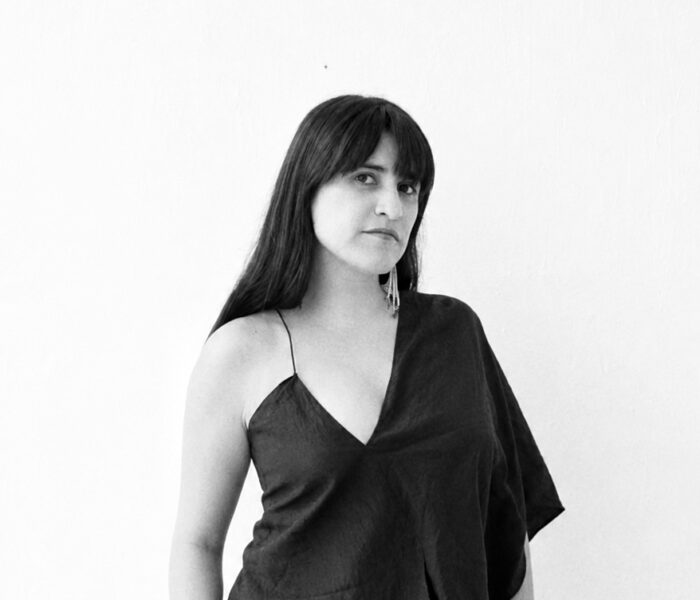
Roya Keshavarz
ARTIST IN RESIDENCY – JULI 2026
Project:
Block R1066L
A Livingroom Performance
By Roya Keshavarz
How can adaptation be shared, held, and embodied through intimate encounters?
This artistic research project emerges from an ongoing dialogue with scientist Alison Forrester, whose research investigates how cells respond when biological pathways become disrupted and how they reorganise themselves in order to survive. Her work examines how mutations interfere with cellular processes and how alternative routes emerge when established systems fail. Survival, in this context, is not a fixed condition but an ongoing process of adaptation, compensation, and transformation.
My interest in this research is deeply personal. As the mother of a child living with cystic fibrosis, a genetic disease caused by mutations in the CFTR gene, I have spent years trying to understand how a microscopic alteration within a cell can profoundly shape an entire life. This project begins from a sense of wonder toward the persistence of living systems and their capacity to adapt in the face of disruption.
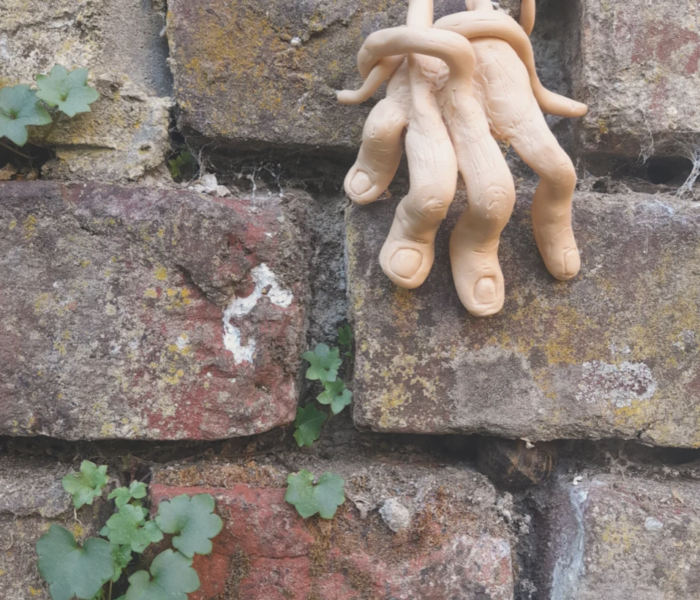
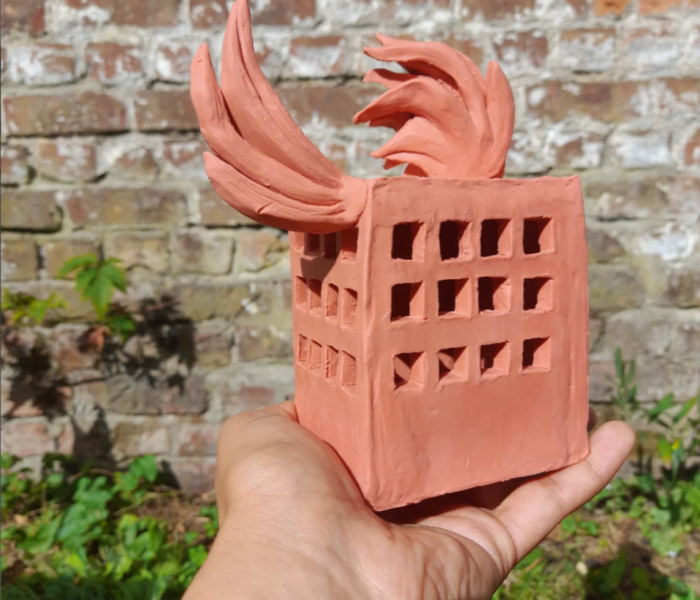
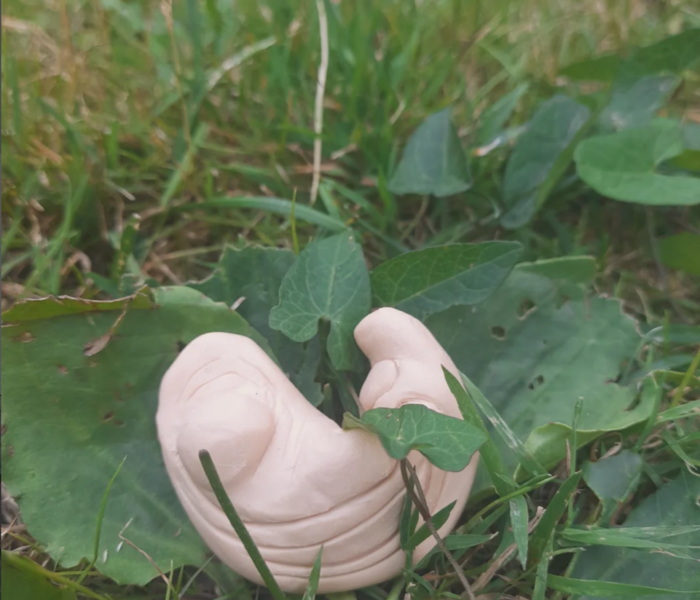
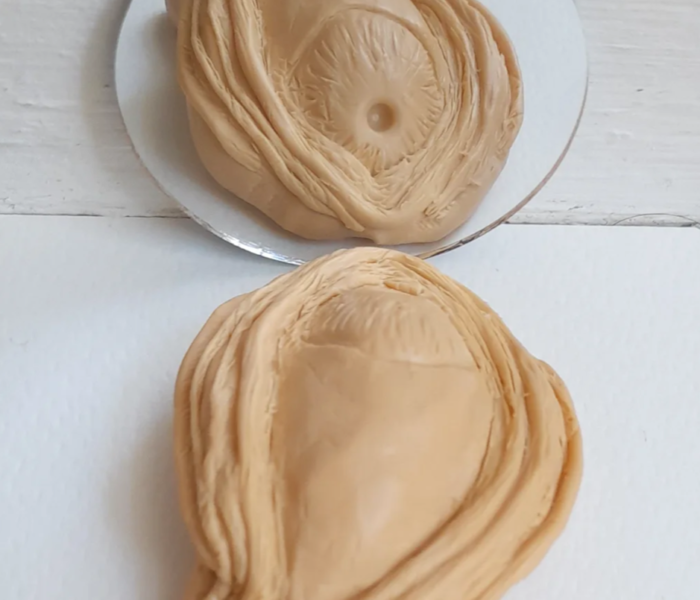
During the residency, I will investigate how scientific observations of adaptation can be translated into sculptural and performative forms. Through making, writing, and conversations with Alison Forrester, I will develop a series of small sculptures that function as material reflections on mutation, repair, vulnerability, and survival. These objects will emerge through artistic processes informed by questions that biology and lived experience hold in common: How do we continue when familiar pathways disappear? What forms of knowledge emerge through uncertainty? How do bodies reorganise themselves in response to change?
The residency will culminate in an intimate living-room performance for a small audience. Combining storytelling, lecture-performance, and sculptural installation, the work will create a space for collective reflection on adaptation across biological, personal, and social scales. Throughout the performance, sculptures developed during the residency will circulate among the audience. As each object is passed from hand to hand, it becomes both a carrier of the research and a temporary point of connection between strangers.
The performance invites audiences to encounter adaptation as something tangible, relational, and embodied. The sculptures act as companions to the narrative, offering a material experience that parallels the themes of transmission, mutation, care, and persistence.
The collaboration with Alison Forrester is conceived as a dialogue between artistic and scientific ways of observing change. Her research provides a point of departure for the artistic investigation, while the performance explores how processes normally hidden from view can be approached through narrative, materiality, and shared attention. Together, the project creates a space where scientific curiosity and artistic imagination meet, opening new ways of thinking about disruption, resilience, and survival.
Bio: Roya Keshavarz (b. 1988, Tehran) is a visual artist working with performance, sculpture, film, and text. Her practice focuses on the body, disability, and the ways political and social structures shape how bodies are seen, supported, or excluded.
She studied sculpture before completing a graduate degree in Film at Cambridge School of Arts (UK), where she specialised in experimental documentary. Today, her work moves between sculptural installation and live performance. Her current artistic research develops through an ongoing dialogue with scientist Alison Forrester, exploring how cellular adaptation can be translated into performative strategies. Through intimate, collaborative performances, she invites audiences to participate in processes of repetition, reorganization, and transformation.